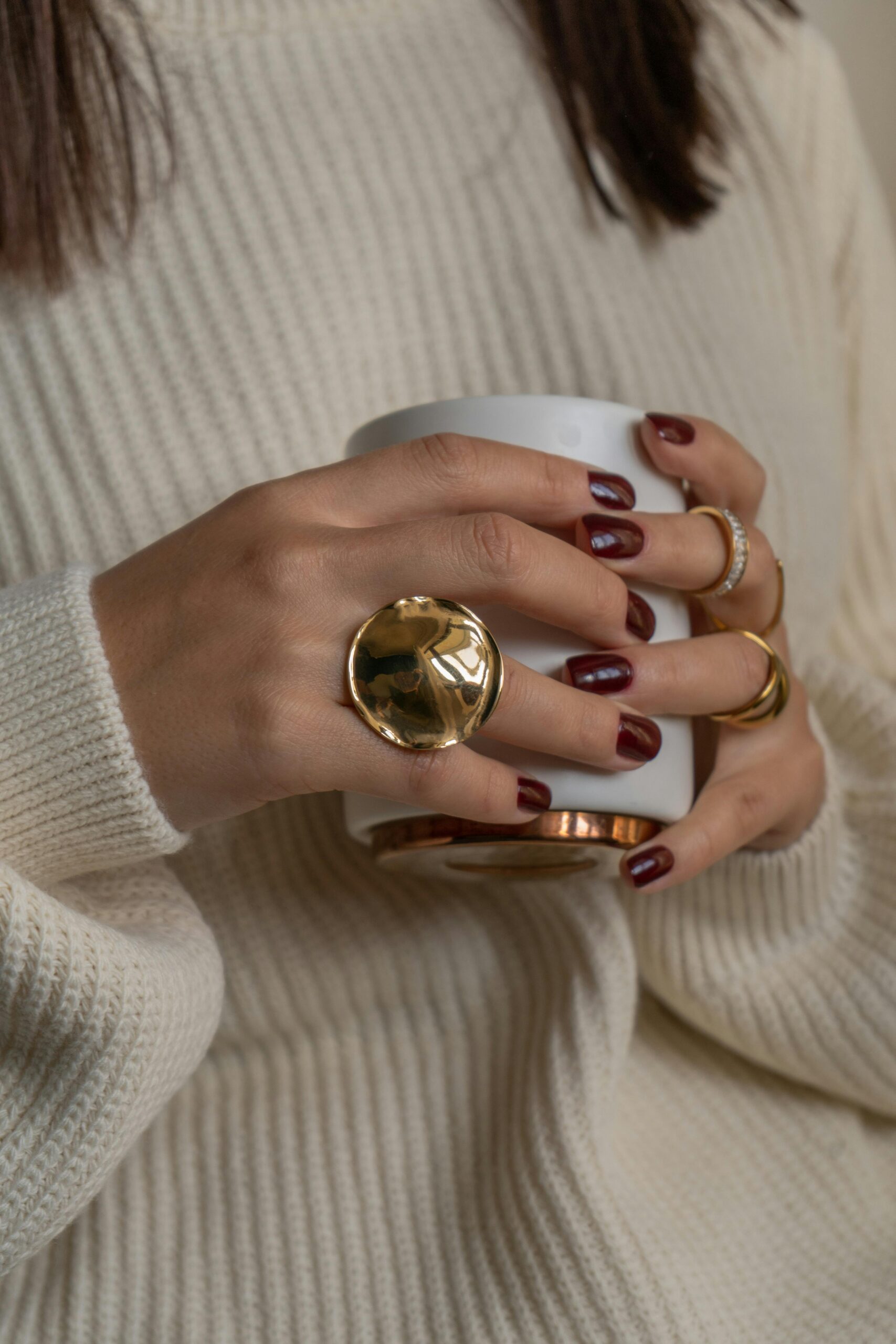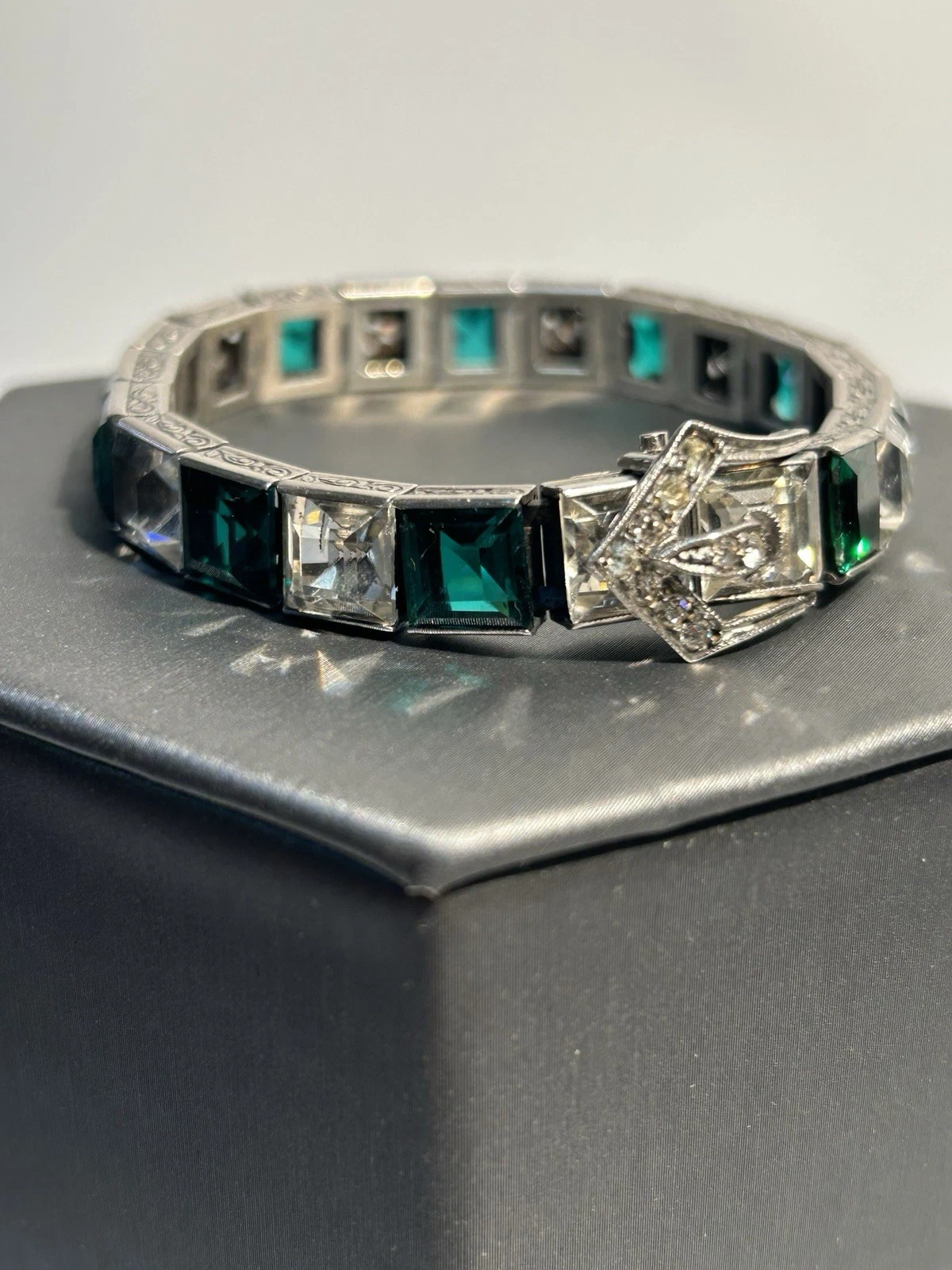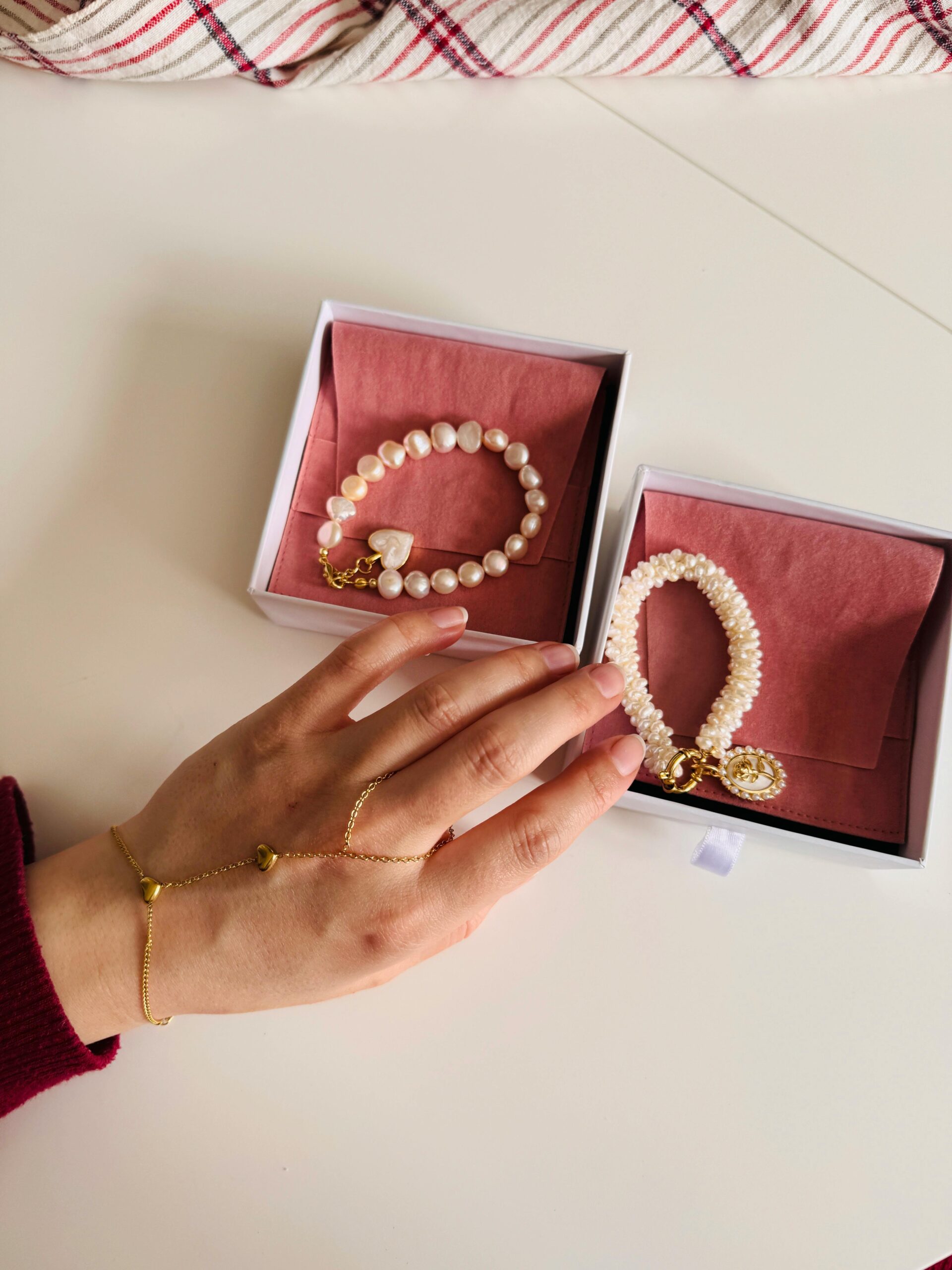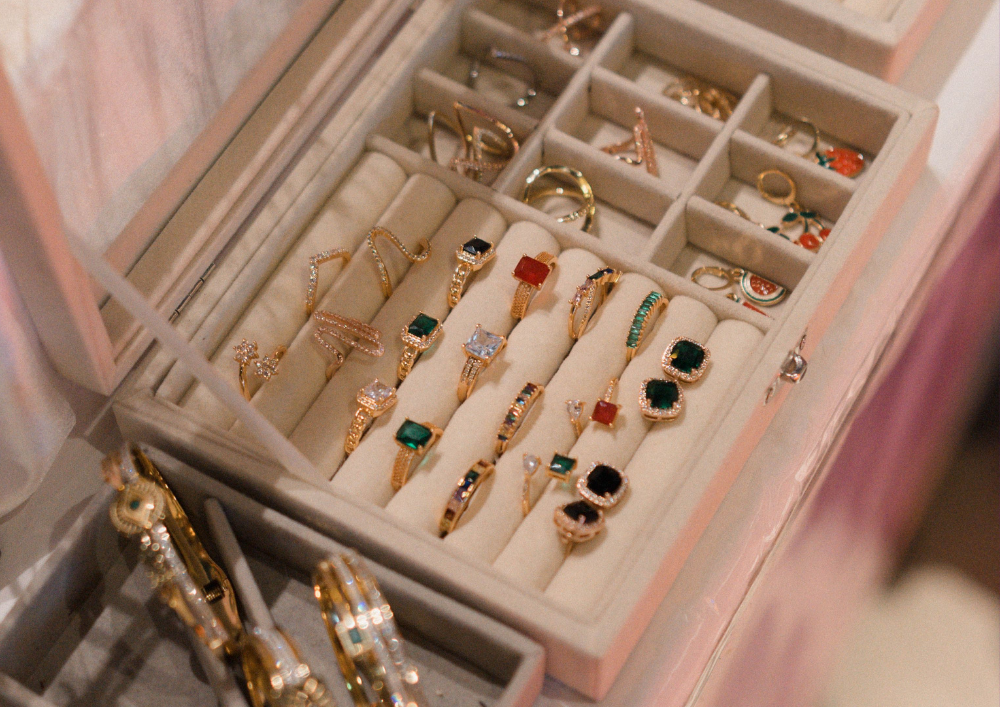
Inheriting jewelry can leave you with more questions than answers. You may recognize a favorite ring or necklace, but other pieces might have unfamiliar markings, gemstones, designs, or materials.
Before you sell inherited jewelry, give it a closer look. A little preparation can help you better understand what you have and make a more informed decision about what to keep, sell, or have professionally evaluated.
- Don’t Rush Your Decision
Inherited jewelry can have sentimental value that is difficult to replace. Before deciding what to sell, separate pieces that have personal or family significance from those you are comfortable parting with.
If several family members are involved, it may also be worth discussing the pieces before making a final decision.
- Gather What You Know
Look for anything that may provide additional information about the jewelry. Original boxes, receipts, certificates, previous appraisals, photographs, or notes from family members can all offer useful context.
Don’t worry if you don’t have any documentation. Many inherited pieces have been passed down without paperwork, and they can still be evaluated.
- Check for Markings
Take a close look at the inside of rings, clasps, backs of pendants, and other less visible areas. You may find numbers, letters, hallmarks, or maker’s marks.
For example, certain markings can provide clues about the type or purity of the metal. However, a stamp alone does not tell you everything about a piece or determine what it is worth.
If you don’t recognize a marking, avoid making assumptions based solely on what you find online. A knowledgeable professional can examine the entire piece rather than relying on one detail.
- Avoid Aggressive Cleaning
It can be tempting to polish inherited jewelry before having it looked at, especially if it has been stored for years. But different metals, gemstones, and older pieces may require different methods of care.
Harsh chemicals or improper cleaning can potentially damage delicate materials. When you’re unsure what a piece contains, it’s often better to leave it as you found it until you know how it should be handled.
The Gemological Institute of America also recommends careful handling and appropriate storage for jewelry, particularly vintage pieces and delicate gemstones.
- Look at the Entire Piece
The value of inherited jewelry isn’t determined by age alone. Several characteristics can influence how a piece is evaluated, including:
- Precious metal type and purity
- Gemstones
- Condition
- Craftsmanship
- Designer or maker, when identifiable
- Rarity or uniqueness
- Current market demand
An older piece isn’t automatically valuable, just as a newer piece isn’t automatically worth less. Estate jewelry can range from relatively recent pieces to distinctive vintage and antique designs.
- Get a Professional Evaluation
If you aren’t sure what you’ve inherited, a professional evaluation can give you a clearer picture before you make a decision.
It’s also important to understand that different types of evaluations can serve different purposes. For example, an insurance appraisal is not necessarily the same as determining what an item could sell for in the current market.
As explained in GIA’s jewelry appraisal guide, an appraisal is a description and valuation of property, and the purpose of the appraisal can affect the type of value being determined.
If your goal is simply to explore selling or using an item as collateral, Trader’s Loan & Jewelry can examine your pieces and discuss your available options with you.
- Decide What Makes Sense for You
Once you understand more about your inherited jewelry, you don’t have to make the same decision for every piece.
You might choose to:
- Keep meaningful pieces in the family
- Wear or repurpose certain jewelry
- Properly store pieces you want to preserve
- Sell jewelry you no longer want
- Explore a pawn (collateral loan) if you’d like access to cash without immediately selling the item
The right choice depends on the piece and what matters most to you.
Don’t Overlook What You Inherited
A jewelry box passed down through the family can contain everything from sentimental keepsakes to precious metals, gemstones, vintage designs, and unusual estate pieces. Even jewelry you don’t personally plan to wear may deserve a closer look before you set it aside.
Trader’s Loan & Jewelry has been serving the San Fernando Valley since 1954, with decades of experience evaluating jewelry, precious metals, estate pieces, and other valuables.
Curious about inherited jewelry you’ve received? Bring your pieces in store for an evaluation and let our experienced team help you better understand your options.