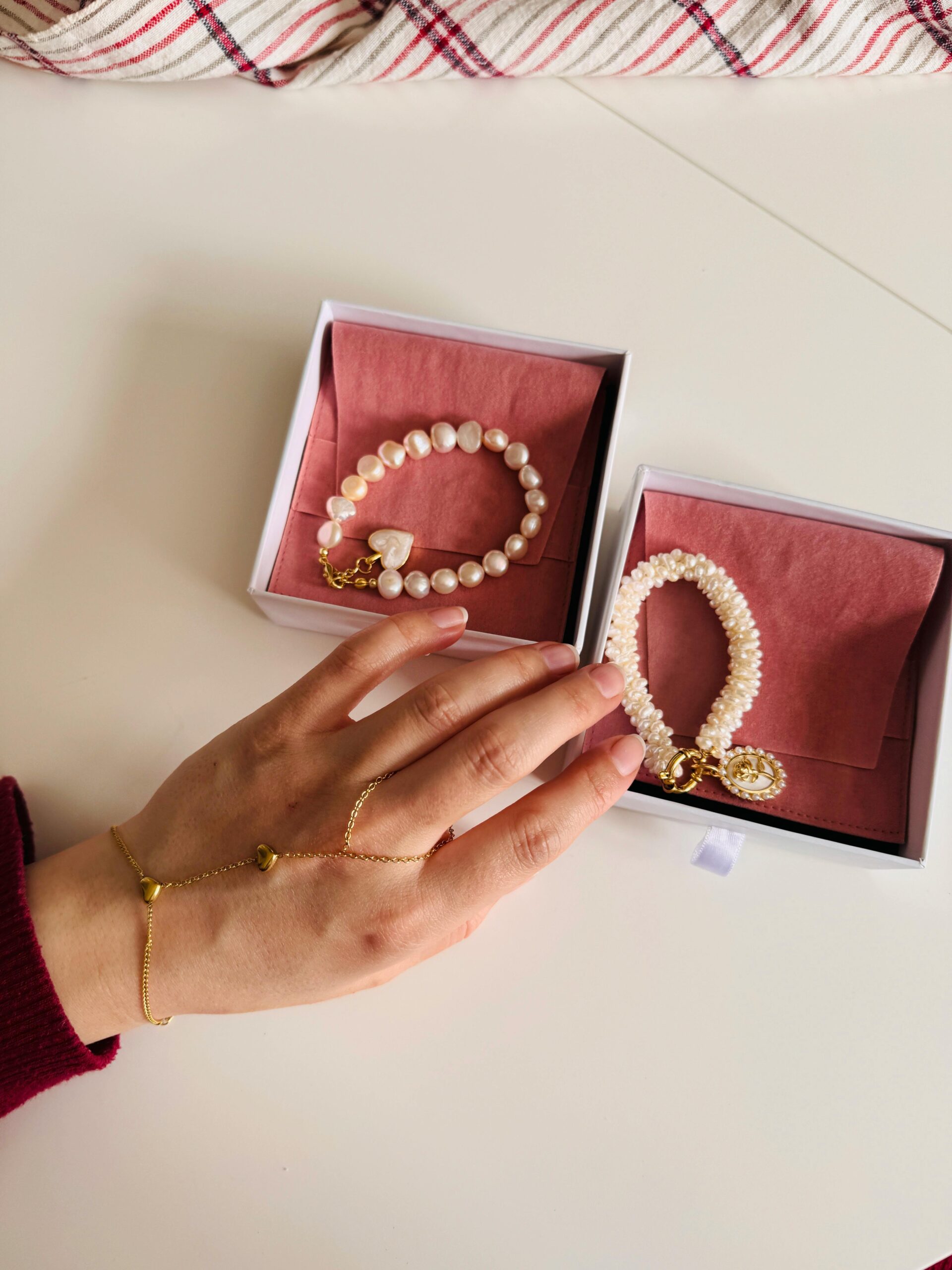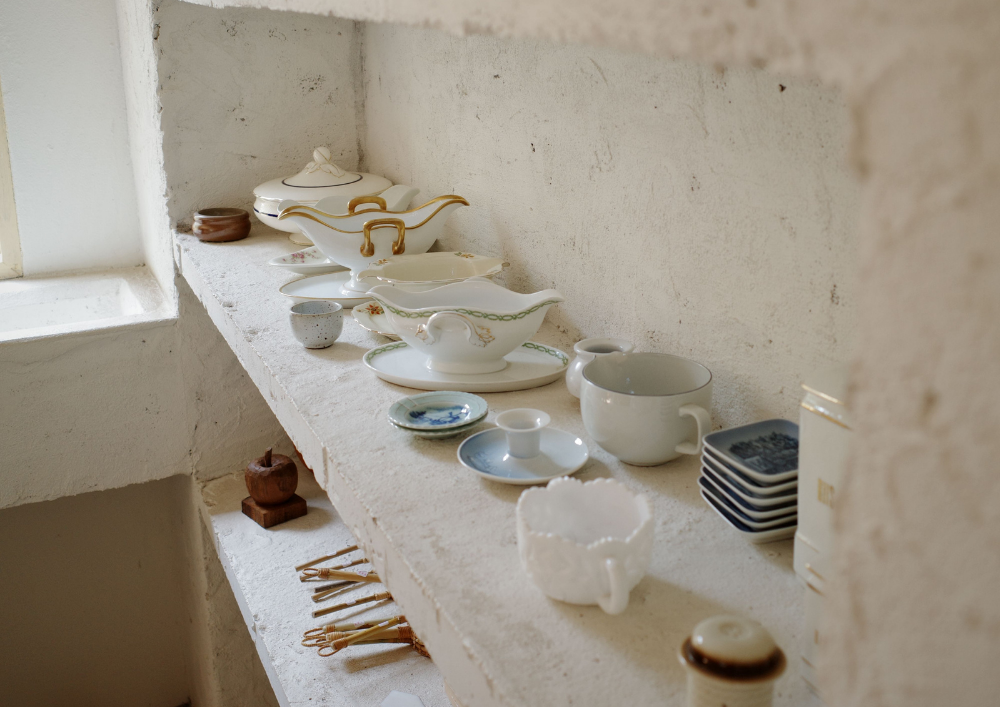
Cleaning out a closet, jewelry box, garage, or family storage area? Before you donate or throw anything out, take a closer look. Some valuable household items are easy to overlook simply because they’ve been sitting unused for years.
That doesn’t mean every old item is valuable. But certain pieces may be worth identifying or evaluating before you decide what to do with them.
Here are eight categories worth a second look.
- Jewelry
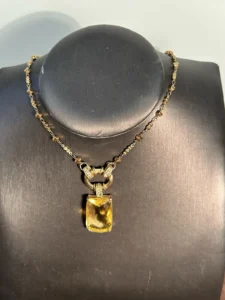
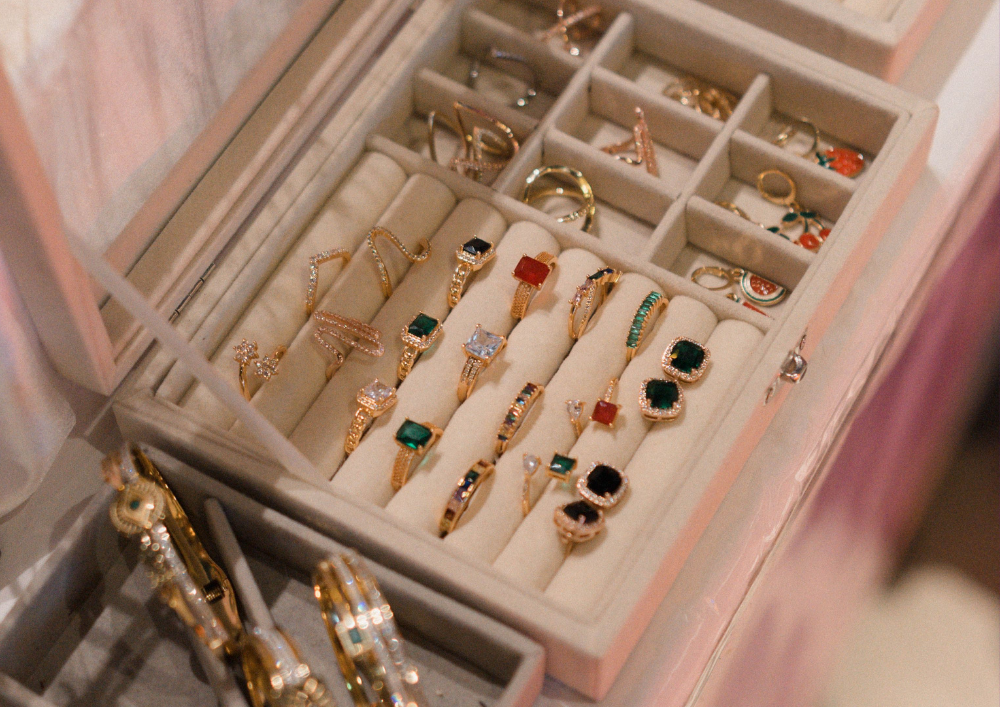
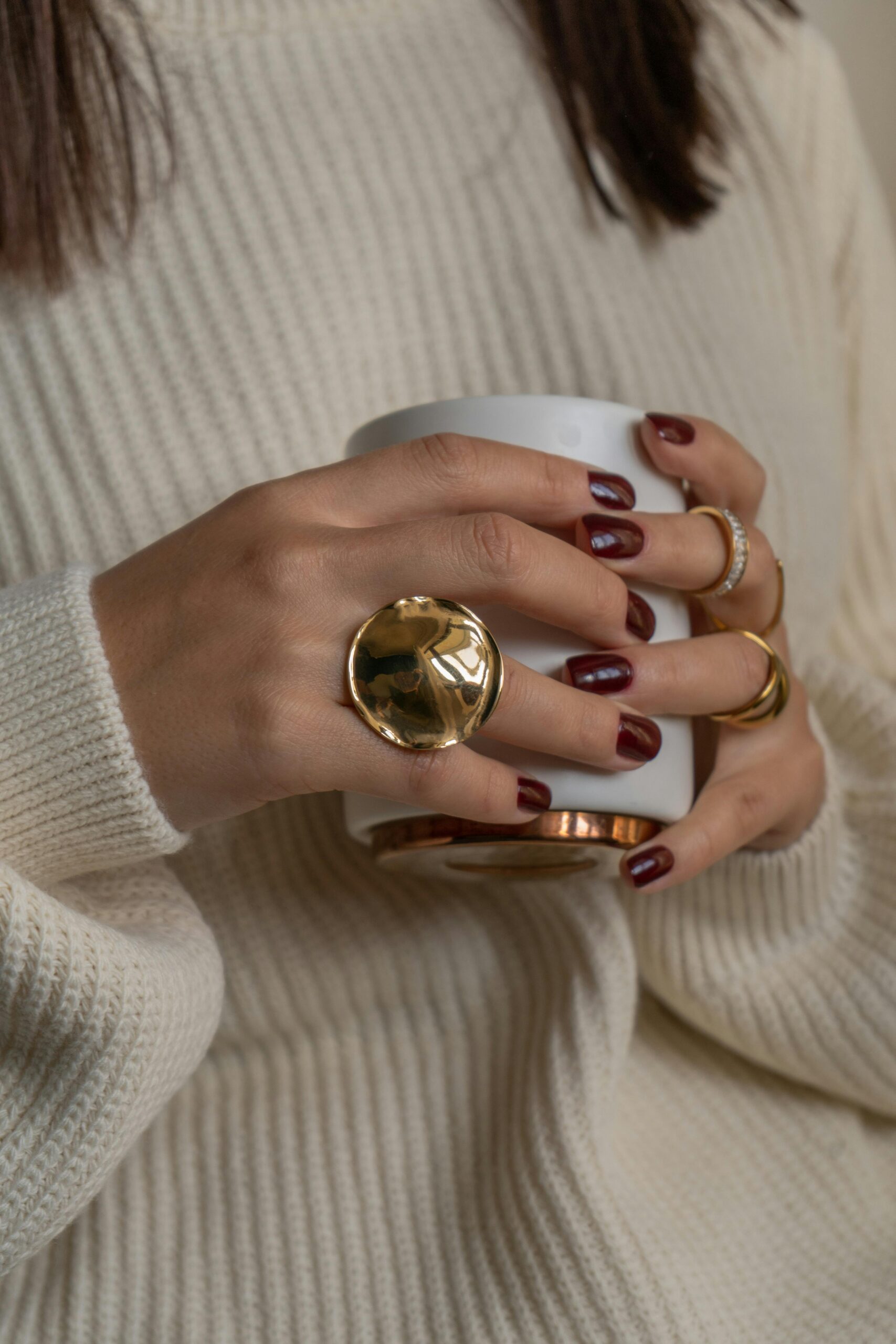
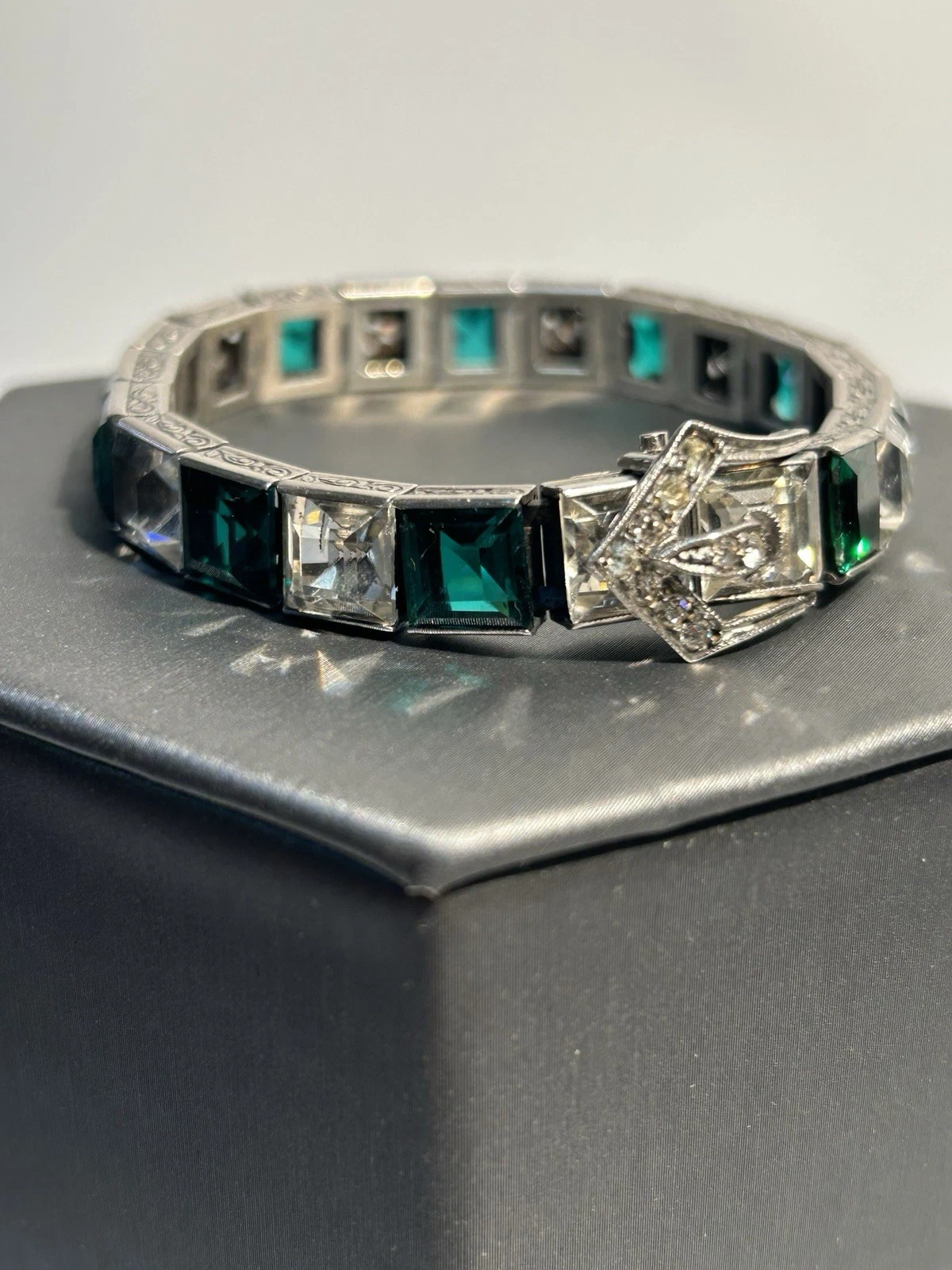
Jewelry is one of the most obvious places to start, but don’t limit yourself to pieces that look new or expensive.
Old rings, chains, bracelets, earrings, pendants, and brooches may contain gold, silver, platinum, gemstones, or other materials worth evaluating. Broken and mismatched jewelry can also be worth checking rather than automatically throwing away.
Look for markings inside rings, near clasps, or on the backs of pieces, but don’t rely on a stamp alone to determine value.
- Watches
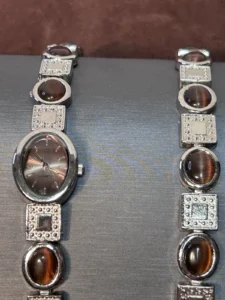
That watch sitting untouched in a drawer may deserve another look.
Brand, model, age, condition, materials, movement, rarity, and market demand can all influence a pre-owned watch’s value. Original boxes, paperwork, extra links, and other accessories may also be useful to keep with the watch.
Even if a watch isn’t currently running, avoid assuming it has no value before learning more about it.
- Coins
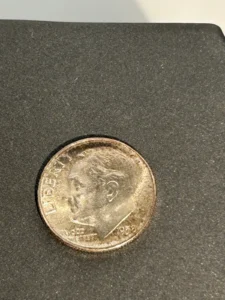
Old coins often end up in jars, boxes, desk drawers, and inherited collections. While some may be worth only their face value, others may be of interest because of their rarity, condition, metal content, date, mint mark, or collector demand.
According to the American Numismatic Association’s (ANA) guide to what gives coins value, rarity, condition, and collector demand are three important factors that can influence a coin’s value. The ANA also points out that simply being old does not necessarily make a coin valuable.
Before spending an unfamiliar old coin or putting an inherited collection into a coin-counting machine, take a little time to identify what you have. That old coin may deserve a closer look first.
- Sterling Silver
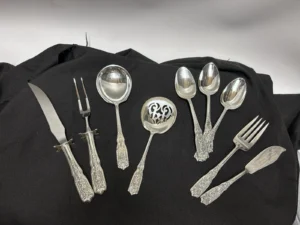
Silver-colored household pieces aren’t always the same.
Flatware, serving pieces, trays, bowls, candlesticks, jewelry, and decorative objects may be sterling silver, silver plate, or another material. Look for markings such as “Sterling” or “925,” but remember that identifying an unfamiliar piece may require a closer examination.
If you find older silver pieces during an estate or household cleanout, set them aside until you know what they are.
- Collectibles
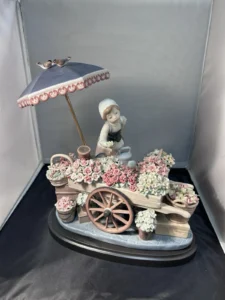
Collectibles can be particularly difficult to judge by appearance alone.
Depending on the item, factors such as rarity, condition, completeness, age, provenance (when documented), and current collector demand can influence interest and potential value. Fixed values can be difficult to establish for antiques, artwork, and other collectibles. Condition, buyer and seller interest, and trends in the market can all affect what an item may be worth.
If something looks unusual, limited, discontinued, or carefully preserved, it may be worth researching before it goes into the donation box.
- Vintage and Antique Items
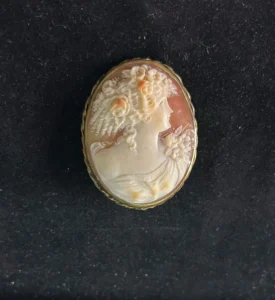
Older household objects can sometimes have appeal beyond their practical use.
Decorative pieces, estate items, antiques, and unusual vintage objects may interest collectors because of their craftsmanship, design, maker, rarity, condition, or connection to a particular period.
Age alone does not make something valuable. An item’s desirability and condition can be just as important as how old it is.
- Designer Handbags
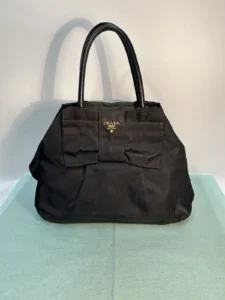
A handbag that hasn’t left your closet in years may still be worth examining.
For pre-owned designer handbags, factors such as brand, model, condition, materials, age, rarity, and current demand can influence resale interest. Original packaging, dust bags, receipts, or other documentation should be kept with the bag when available.
Condition matters, but normal signs of use don’t necessarily mean a bag should be discarded or donated without a closer look.
- Precious Metals
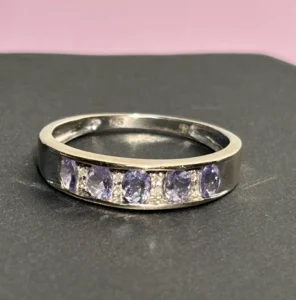
Gold and silver aren’t found only in traditional jewelry.
Coins, flatware, decorative pieces, watches, estate items, and other objects may contain precious metals. If you’re unsure what an item is made from, markings can provide clues, but professional testing may be needed to understand the material more accurately.
This is especially useful when sorting through inherited belongings or items that have been stored for many years.
What Can Affect an Item’s Value?
Finding one of these items doesn’t automatically mean you’ve discovered something valuable. The same type of object can vary significantly depending on what it is and the market for it.
Common factors can include:
- Material or composition
- Condition
- Brand or maker
- Rarity
- Age
- Craftsmanship
- Completeness
- Documented provenance, when applicable
- Current market demand
That’s why searching for a similar-looking item online doesn’t always give you the full picture. Two objects that appear nearly identical may have important differences.
Before You Donate or Throw Them
Cleaning out a closet, drawer, garage, or storage space can uncover things you haven’t thought about in years. Before donating or tossing an unfamiliar item, it may be worth taking a closer look.
Set aside anything you don’t recognize, items made from potentially valuable materials, and pieces that appear unusual, vintage, collectible, or well-made. If you’re uncertain, learning more about an item first can help you make a more informed decision.
Trader’s Loan & Jewelry has served the San Fernando Valley since 1954, with decades of experience evaluating jewelry, watches, precious metals, collectibles, estate items, and other unique valuables.
Found something interesting while cleaning out your home? Visit is in store and our team can take a closer look and help you understand your options before you decide whether to keep, sell, or explore a collateral loan.
Looking something to add to your collection? Shop online for unique finds.