Are Your Old Coins Worth Anything?
Maybe you have a jar of coins that belonged to a relative. Maybe you found a small collection tucked away in a drawer. Or perhaps you've held onto an unusual coin for years because something about it looked different. The big question is: Is it actually worth anything? The answer isn't always obvious. Some old coins may be worth little more than their face value, while others can attract collector interest because of their rarity, condition, metal content, or demand. Before you spend, exchange, clean, or forget about an old coin, it's worth knowing what to look for.
Old Doesn't Always Mean Valuable
One of the biggest misconceptions about coins is that the older they are, the more valuable they must be. Age can be interesting, but it isn't enough by itself. A much newer coin with a low mintage and strong collector demand could potentially attract more interest than an older coin that is relatively common. According to the American Numismatic Association's (ANA) guide to what gives coins value, three important factors are mintage or rarity, grade or condition, and collector demand. The ANA specifically notes that age can have much less to do with value than people might expect. So if you find an old coin, don't judge it by the date alone.
Rarity Matters
How many were originally made? And perhaps just as importantly, how many are still available to collectors? Coins produced in smaller quantities may be more difficult to find. Certain dates, mint marks, varieties, and errors can also make one version of a coin different from another that looks almost identical at first glance. This is one reason you shouldn't assume that every coin of the same denomination has the same value.
Check the Mint Mark
That tiny letter on a coin can tell you something important about where it was produced. Depending on the coin, the mint mark may appear on the front or back. Coins from the same year but different mints may have had different production numbers, which can affect how common or scarce a particular version is. When researching an old coin, check both the date and mint mark, not just the denomination.
Condition Can Make a Difference
Two examples of the same coin can have very different levels of collector interest depending on their condition. Collectors and numismatic professionals use grading systems to describe a coin's state of preservation. Wear, scratches, damage, surface quality, and other characteristics may all matter when a coin is examined. And this leads to one especially important tip.
Don't Clean Old Coins
Finding a dark or tarnished old coin may make you want to polish it until it shines. Resist the temptation. Cleaning can alter a coin's original surface, leave scratches, or otherwise affect characteristics collectors look for. A shiny coin isn't automatically a more desirable coin. If you're unsure whether a coin might be collectible, it's safer to leave it as you found it until someone knowledgeable can examine it.
Metal Content May Matter Too
Not every coin is valued only as a collectible. Some coins were produced using precious metals such as gold or silver. Depending on the coin, its metal content may therefore be another factor to consider alongside rarity, condition, and collector demand. This is particularly important with inherited collections. A group of coins that looks ordinary at first glance could contain different dates, compositions, or varieties that deserve individual attention.
Demand Changes the Picture
A coin can be scarce, but collectors also need to want it. Collector demand can influence how much interest a particular coin receives. Some types remain consistently popular, while interest in others can change over time. That's why an old price guide or something you remember hearing years ago may not tell you what the market looks like today.
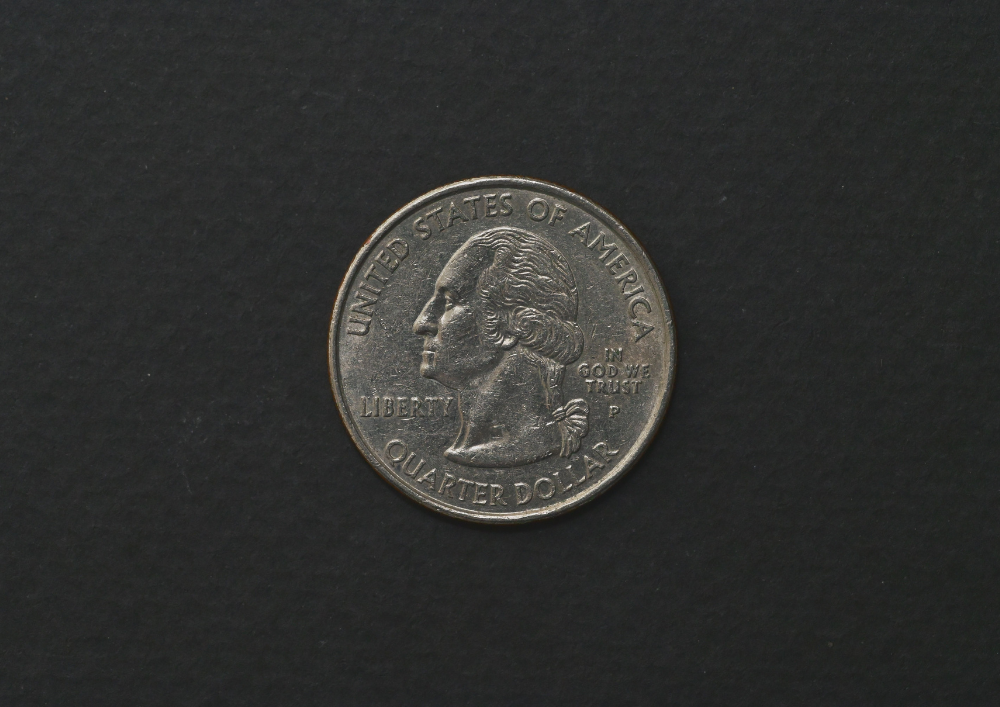
If you've found old coins at home, start by examining them carefully without cleaning or altering them. Look for:
The date
Mint mark
Denomination
Overall condition
Unusual markings or features
Signs that the coin may contain precious metal
Original holders, packaging, or documentation
Other coins stored with it
If you've inherited an entire collection, try to keep it organized as you found it. Original holders, labels, notes, and packaging may provide useful information.
Be Careful With Online Prices
Searching your coin online can be a useful starting point, but there's an important catch. You may find listings asking hundreds or even thousands of dollars for coins that look similar to yours. An asking price doesn't necessarily tell you what an item has actually sold for, and small differences between coins can matter. Dates, mint marks, varieties, authenticity, condition, and grading can all make comparisons more complicated than they initially appear. Do prior research to learn more about your coin, not as a guarantee of what yours is worth.
Found an Old Coin? Take a Closer Look
You don't need to become a coin expert every time you find something unusual in a drawer. But you also don't want to overlook an interesting coin simply because you don't know what it is. Trader's Loan & Jewelry has served the San Fernando Valley since 1954 and has decades of experience with coins, precious metals, collectibles, jewelry, and other valuables. Have an old coin or collection you're curious about? Show them to us in store for an evaluation. Our experienced team can take a closer look and help you better understand what you have and what options may be available. Visit us at 18505 Sherman Way, Reseda, CA 91335 or contact us.


